

As we age, changes in our eyes can affect how we see the world around us. Many people experience some degree of vision changes over time, but what are cataracts, and how do they differ from other visual changes?
Understanding this common eye condition, how it develops, and the treatment options available can help you take proactive steps to protect your vision.
Understanding the Eye’s Lens
The eye’s natural lens is a clear structure located behind the iris. Its primary function is to focus light rays onto the retina, allowing you to see clearly.
Over time, changes in lens proteins can occur, affecting lens clarity and leading to a cloudy lens, a characteristic of cataracts.
 How Cataracts Form
 How Cataracts Form
Cataract formation is a gradual process. Lens proteins can clump together, causing areas of opacity. These changes can affect one or both eyes, and in the early stages, they may only involve a small part of the lens.
As cataracts progress, they can interfere with light entering the eye, leading to symptoms such as dim vision or double vision.
Types of Cataracts
There are several types of cataracts, each defined by the part of the lens affected:
Nuclear Cataract
A nuclear cataract develops in the central portion of the lens, the nucleus. This type may affect the eye’s ability to see clearly at a distance and can cause a gradual yellowing or dimming of vision.
Cortical Cataract
Cortical cataracts form in the lens cortex, the outer layer surrounding the nucleus. They often present as white, wedge-shaped opacities that can interfere with light entering the eye, creating halos around lights.
Posterior Subcapsular Cataract
A posterior subcapsular cataract occurs at the back of the lens, near the lens capsule. This type can lead to more noticeable changes in vision under bright light, potentially causing glare or difficulty reading.
Recognising Symptoms of Cataracts
Symptoms of cataracts can vary depending on the type and stage of the condition. Common signs include:
- Blurry vision that does not improve with glasses
- Dim vision, particularly in low light
- Halos around lights
- Double vision in one eye
- Increased sensitivity to bright light
In the early stages, only a small part of the lens may be affected, making it more difficult to notice changes in visual clarity.
Risk Factors for Cataracts
The risk of cataracts increases with age. Other factors that may contribute include:
- Previous eye surgery
- Long-term use of certain medications
- Medical conditions such as diabetes
- Prolonged exposure to bright light
- Family history of cataracts
Understanding these risk factors can encourage regular eye examinations to monitor lens health and visual acuity.
How Are Cataracts Diagnosed?
 How Are Cataracts Diagnosed?
Cataracts are typically identified during a comprehensive eye exam. During this assessment, an eye doctor will review your vision, evaluate the eye’s lens, and consider your medical history.
These evaluations help determine whether a cataract is present, how it may be affecting your daily vision, and whether further monitoring or treatment is appropriate.
Assessing Visual Clarity
Part of the examination may include checking how clearly you can see at different distances. A visual acuity test helps detect any changes in visual clarity that could be associated with cataract formation.
Examining the Eye’s Lens
The eye doctor will also observe the lens for any cloudiness or changes in transparency. This assessment allows them to monitor the progression of a cataract and understand how it may be affecting your vision.
Monitoring Cataract Progression
In many cases, cataracts develop slowly. Regular eye examinations allow ongoing monitoring of lens changes and can help determine the optimal time for intervention.
Even in early stages, monitoring can provide valuable insight into your visual health and the potential need for treatment.
How Are Cataracts Treated
The approach to managing cataracts depends on how much they affect your vision and daily life.
Early-Stage Management
In the initial stages, when cataracts are mild, lifestyle adjustments may help manage symptoms:
- Use brighter lighting for reading or detailed tasks
- Update your prescription glasses as needed
- Consider magnifying lenses for close work
These measures can help you maintain visual comfort while monitoring changes in the lens over time.
Cataract Removal
When cataracts begin to interfere with everyday activities, such as driving, reading, or recognising faces, cataract removal may be recommended.
- Removing the eye’s natural, cloudy lens
- Replacing it with an artificial lens, known as an intraocular lens (IOL)
- Tailoring the IOL to suit your specific visual needs
Benefits of cataract surgery can include:
- Restoring clear vision
- Reducing blurry or dim vision
- Improving overall visual clarity for daily activities
This approach allows you to continue your routine with more comfortable vision.
Intraocular Lens Options
During cataract surgery, the cloudy natural lens is replaced with an artificial clear lens, known as an intraocular lens (IOL). The type of IOL is selected based on your individual visual needs and lifestyle, aiming to provide clear vision at various distances. 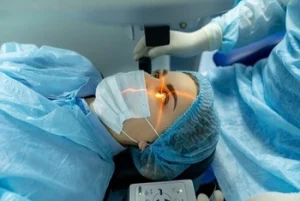
- Single-Vision Lenses: Designed to focus at one distance, typically for either near or distance vision. Glasses may still be required for other distances.
- Toric Lenses: Specifically shaped to correct astigmatism, helping to reduce blurred or distorted vision.
- Multifocal or Extended Depth of Focus Lenses: Engineered to provide clearer vision across multiple distances, potentially reducing the need for glasses.
Choosing a suitable intraocular lens involves a discussion with your eye surgeon, who will consider your lifestyle, vision goals, and overall eye health.
Frequently Asked Questions
Can cataracts affect one or both eyes?
Cataracts can develop in one or both eyes. The progression may differ between eyes, with one eye potentially experiencing more noticeable changes first.
Are cataracts reversible without surgery?
Currently, cataracts cannot be reversed with medication or lifestyle changes. Management focuses on symptom reduction until cataract surgery becomes appropriate.
How long does cataract surgery take?
The procedure typically takes only a short time, often less than an hour, and patients can return home the same day.
Conclusion
Understanding what cataracts are provides clarity on how these changes in the eye’s lens can affect vision. Regular eye examinations and early detection are crucial for monitoring cataract formation and identifying its symptoms.
For those whose daily activities are affected, cataract surgery and the use of an intraocular lens offer a pathway to restore clear vision.
Maintaining routine eye care and seeking professional guidance ensures that any vision loss is appropriately addressed, supporting long-term eye health and visual comfort.
If you’re noticing changes in your vision or want to understand more about cataracts and how they can be managed, we encourage you to book a comprehensive eye examination.
Our experienced eye care team can assess your vision, discuss treatment options, and answer any questions you may have to help you make informed decisions about your eye health.
Contact Dr Edward Roufail at (03) 9071 0180 to schedule your appointment and take the next step towards clear vision.
Note: Surgical or invasive procedures carry inherent risks. As part of our standard practice, we thoroughly discuss these risks during the consent process before any surgical procedure. Your understanding and comfort are our utmost priority.
References
Nurmi, D. L. (2025, March 27). Understanding How to Manage Cataracts. Healthline. Retrieved November 26, 2025, from https://www.healthline.com/health/how-to-manage-cataracts
Tee-Melegrito, R. A. (2023, July 7). What Are the Symptoms of Cataracts? Medical News Today. Retrieved November 26, 2025, from https://www.medicalnewstoday.com/articles/symptoms-of-cataracts
WebMD Editorial Contributors. (2024, February 13). What Are Cataracts? WebMD. Retrieved November 26, 2025, from https://www.webmd.com/eye-health/cataracts/what-are-cataracts

Maintaining a good quality of vision is crucial for a high quality of life at any age. However, as adults Read more

If you're thinking about improving your vision, you may have heard about two common treatments: cataract surgery vs laser eye Read more

Cataracts are a common eye condition, especially as we age, but they can affect people of all ages and walks Read more

Cataracts are a common eye condition that gradually affects your ability to see clearly. While they are a natural part Read more