

Wondering whether laser surgery could work for you usually starts with one basic question: Do you actually qualify for laser eye surgery? Eligibility for laser eye surgery depends on a combination of factors, and not everyone who wears glasses or contact lenses for blurred vision turns out to be a suitable candidate. Most people who wear glasses for distance vision want to know if surgery could change that.
This guide walks through the basic criteria your eye surgeon will assess for laser eye surgery candidacy, the medical conditions that can affect eligibility, and what a stable prescription actually means.
Quick Overview
- A stable prescription, generally unchanged for at least 12 months, is one of the basic criteria for laser eye surgery eligibility.
- Age, general eye health, and certain medical conditions all factor into whether you are a good candidate.
- Pregnant women and breastfeeding women are generally advised to wait until hormonal changes settle before proceeding.
- Dry eyes, corneal disease, and a very high prescription can all affect suitability, though some of these can be managed before surgery.
Below, we cover the basic eligibility criteria, the medical factors that matter most, and what to expect when you book a consultation.
The Basic Criteria for Laser Eye Surgery
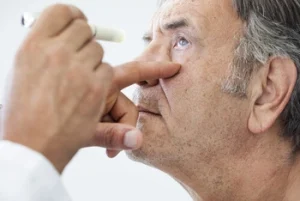 Laser eye surgery is a form of vision correction that reshapes the cornea to reduce dependence on glasses or contact lenses. What this involves day to day comes with a healing process that varies from person to person. Before recommending the procedure, your eye surgeon will check a few baseline factors that apply to most patients considering laser eye surgery.
A stable prescription
Your prescription needs to have remained stable for a meaningful period, generally at least a year, before laser eye surgery is considered. Stable vision over this period is one of the clearest signs you may be eligible for laser eye surgery. Clinical guidance confirms that the prescription should stay stable for around two years in many cases, since operating on eyes that are still changing increases the risk of needing further treatment later.
Minimum age
There is also a minimum age requirement, generally 18, because vision can continue to change throughout adolescence and into early adulthood. Younger patients are more likely to have an unstable prescription, which is why the minimum age and the stable prescription requirement tend to go hand in hand.
Good general health and healthy eyes
Laser eye surgery eligibility also depends on having generally healthy eyes and good general health overall. Active eye infections, uncontrolled diabetes, and certain autoimmune conditions can all affect how well the eye heals after the procedure, which is why your surgeon will review your full medical history during a consultation.
Medical Conditions That Affect Eligibility
Beyond the basic criteria, several specific medical conditions and circumstances can affect whether laser eye surgery is the right option at a given time.
Dry eyes
Dry eye syndrome is common and does not automatically rule out laser eye surgery, but it does need to be addressed first. Untreated dry eyes can affect both the accuracy of your prescription and your comfort during healing, so your surgeon will typically recommend treating this beforehand. During recovery, your surgeon will also advise you to avoid swimming for a period while the eye heals.
Corneal disease and thickness
Corneal disease and unusually thin corneas can significantly affect candidacy, since laser eye surgery works by precisely reshaping the cornea. Clinical guidance confirms that certain conditions affect surgery safety, particularly conditions like keratoconus, a family history of corneal disease, or corneas that are abnormally shaped or too thin to safely treat.
Pregnancy and breastfeeding
Pregnant women and breastfeeding women are generally advised to postpone laser eye surgery. Significant hormonal changes during pregnancy can temporarily affect the shape and thickness of the cornea. This makes it harder to get an accurate, stable prescription. Research confirms that hormonal shifts alter corneal measurements during pregnancy, supporting the standard recommendation to wait until vision has remained stable for several months. This applies after pregnancy, and once nursing women have finished breastfeeding.
High prescriptions
A very high prescription, whether short-sightedness or long-sightedness, can fall outside the treatable range for laser eye surgery. This does not necessarily rule out vision correction altogether, since other treatment options remain viable for prescriptions outside this range. Setting realistic expectations from the outset and attending your follow-up appointment as scheduled both play a role in how satisfied you are with the result.
Wondering If You’re a Candidate for Laser Eye Surgery?
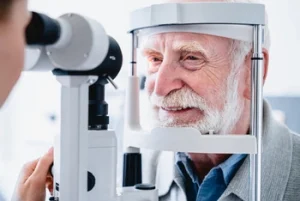 Suitability for laser eye surgery can vary depending on various factors, including your individual eye health, prescription history, and general medical history. Making an informed decision starts with understanding where you stand on each of these. Dr Edward Roufail can assess your cornea and prescription history directly and tell you clearly whether you are likely to be a suitable candidate.
To take the next step, please call us on (03) 9071 0180.
Frequently Asked Questions
How long after stopping contact lenses can I be assessed for laser eye surgery?
Contact lenses, particularly rigid or hard lenses, can temporarily affect the shape of your cornea. Your eye surgeon may ask you to stop wearing soft contact lenses for at least one to two weeks before assessment, and longer for rigid lenses, sometimes several weeks. Your eye surgeon will confirm the appropriate timeframe based on the type of lenses you wear.
Is there an upper age limit for laser eye surgery?
There is no strict upper age limit, but eligibility becomes more individual as you get older. After around your mid-40s, age-related changes to the natural lens inside the eye, separate from your glasses prescription, can affect close-up vision in ways that laser eye surgery alone does not address. Your eye surgeon will assess whether laser eye surgery or an alternative procedure is the more suitable option at this stage.
Note: Surgical or invasive procedures carry inherent risks. As part of our standard practice, we thoroughly discuss these risks during the consent process before any surgical procedure. Your understanding and comfort are our utmost priority.
References
https://www.mayoclinic.org/tests-procedures/lasik-eye-surgery/about/pac-20384774
https://medlineplus.gov/ency/article/007018.htm

Are you considering laser eye surgery to achieve better vision and break free from the chains of glasses and contact Read more
