

If your vision after LASIK feels slightly different from how it was a year or two ago, you are not imagining it. A prescription that was once clear can shift. Things that were sharp at a distance may have softened. For some people, the initial result was close but never quite where they hoped it would be.
These changes do not mean something went wrong. They are a recognised part of how eyes respond to laser surgery, and in most cases, they can be addressed. That is what a LASIK enhancement is for.
Quick Overview
- A LASIK enhancement is a second laser procedure that corrects residual refractive error left after the initial LASIK surgery.
- Most enhancements involve gently lifting the original LASIK flap and applying a small, targeted laser correction underneath.
- Whether you are suitable depends on corneal thickness, the stability of your vision, and the health of your cornea.
- For eyes where the flap cannot be safely lifted, surface ablation (PRK) on top of the flap is an alternative approach.
Below, we explain why some individuals need an enhancement, how the procedure works, what makes someone suitable, and what the alternatives are when a second laser procedure is not the right fit.
Why Vision Can Change After LASIK
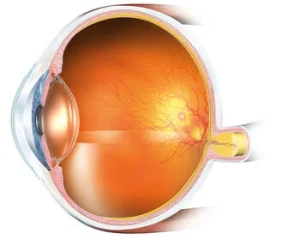 After your original LASIK procedure, the excimer laser reshapes your cornea to change how it focuses light. This process corrects your prescription with a high degree of accuracy. But eyes heal individually. Natural healing variations between lasik patients mean a small number end up with some residual refractive error. Healing differences in how the cornea responds to laser correction are normal and do not reflect any fault in the procedure itself. Visual outcomes are still highly positive for the vast majority of adults who undergo LASIK.
This is not a failure of the original surgery. It reflects the fact that the healing process can shift the final result slightly. Vision improves substantially after the first surgery and then stabilises, but the final correction falls just short of the target.
Age-related vision changes are another reason. LASIK corrects your vision at the time of surgery, but it does not stop your eyes from changing over time. Prescriptions that drift as you get older, or the development of presbyopia (the gradual loss of near vision that affects almost everyone from their mid-40s onward), can both reduce the sharpness of your results years after the initial treatment.
How a LASIK Enhancement Works
A LASIK enhancement, sometimes called a touch-up, is shorter and less involved than the original surgery. The goal is a clear vision that matches the result you originally hoped for. Your vision stabilises after the first procedure before any enhancement is considered, since operating on a prescription that is still settling would simply shift the target.
Lifting the original flap
In most cases, we gently lift the original LASIK flap that was created during your first surgery. This corneal flap does not fully fuse to the underlying cornea, which means it can generally be lifted again months or even years later. Once the flap is lifted, the excimer laser applies a small, precise correction to the stromal bed underneath. The procedure takes just a few seconds of actual laser treatment time. Numbing drops are applied beforehand, and most adults feel only mild pressure during the process.
After the laser correction, the flap is carefully replaced. It re-adheres without stitches, and the eye heals around it over the following days.
When surface ablation is the better approach
Not every enhancement involves a flap lift. If your corneal thickness does not leave enough room for safe flap manipulation, or if there are concerns about the integrity of the original LASIK flap, we use surface ablation instead. This means applying the laser correction directly to the surface of the cornea, on top of the existing flap, rather than lifting it. This approach is called PRK or surface ablation, and it carries a slightly longer healing process than a flap lift but avoids the risks associated with reflift in more complex cases.
Research confirms that flap re-lift succeeds in most cases, with surface ablation reserved for eyes where corneal thickness or flap-related risks make re-lift less appropriate.
Who Is Suitable for a LASIK Enhancement
Suitability for a LASIK enhancement depends on several factors assessed carefully before any decision is made. The assessment process is what allows us to recommend an enhancement with certainty by confirming your cornea is well placed to support it. When the conditions are right, an enhancement is a reliable and well-studied intervention.
Corneal thickness
The most important factor is whether there is enough corneal thickness remaining after your original surgery. Every laser procedure removes a small amount of corneal tissue. For an enhancement to be safe, there must be sufficient corneal tissue left to support another round of laser correction without compromising the structural integrity of the eye. If corneal thickness does not meet the minimum required for a safe second procedure, a LASIK enhancement is not recommended.
Vision stability
Your eye doctor will confirm when your vision has stabilised enough for an enhancement to be safely performed. This typically means your prescription has remained unchanged for at least 12 months. Treating a prescription that is still shifting would simply produce a result that drifts further, which defeats the purpose of the procedure.
Corneal health
 Your corneal health is assessed thoroughly before any enhancement. Healthy eyes are the starting point for a reliable result. Dry eye is one factor that warrants attention, since it can increase the risk of complications and influence how the eye heals after the procedure. Dry eye affects tear film quality and the accuracy of pre-surgery measurements, both of which matter for the outcome. Light sensitivity, tear film quality, and any signs of corneal irregularity are all reviewed as part of a thorough assessment before proceeding.
Research confirms that enhancement restores sharp vision reliably when careful patient selection criteria are applied, with 86% of eyes achieving 20/20 vision or better at 12 months post-procedure.
When Lens-Based Procedures Are a Better Option Than Enhancement
There are situations where a second laser procedure is not appropriate, and a lens-based approach is the better path.
Age-related vision changes and presbyopia
If your vision has changed due to the natural ageing of the lens inside your eye rather than a change in your corneal shape, a LASIK enhancement will not address the underlying cause. In these situations, lens-based procedures offer more appropriate solutions.
Refractive lens exchange involves removing the eye’s natural lens and replacing it with multifocal lenses that correct both distance and near vision. These lens-based procedures address the underlying lens changes that laser treatment cannot resolve. Clinical guidance confirms that lens-based surgery addresses what laser cannot, where the natural lens is the source of the vision change rather than the corneal shape.
This is particularly relevant for those in their 50s and beyond who are experiencing significant presbyopia alongside any residual refractive error.
Cataract surgery
If a cataract is developing alongside a residual prescription, addressing both at the same time through cataract surgery with lens replacement is often a more appropriate and comprehensive approach than a laser enhancement.
What to Expect During Recovery
Recovery from a LASIK enhancement with flap lift is generally quicker than recovery from the original LASIK procedure. Vision often improves within a day or two. Dryness is the most common experience in the weeks following the procedure, and lubricating drops are typically recommended while the eye heals.
Surface ablation has a longer initial recovery. The outer surface of the cornea needs to regenerate, which takes longer than flap re-adhesion. Vision during this period can fluctuate, and it usually takes several weeks before it stabilises at its final level.
In both cases, attending follow-up appointments as scheduled is important. These appointments track how the correction is settling and allow for early identification of any concerns before they develop further.
Light sensitivity in the first few weeks after an enhancement is common and typically settles as the cornea adapts. Avoiding rubbing the eye during the early healing phase protects the flap position and supports recovery. Your surgeon will give you specific instructions for drops and activity restrictions during the recovery period.
What the Assessment Involves
Enhancements involve a more detailed pre-procedure workup than the original LASIK assessment in some respects, because the cornea has already been through one procedure and needs to be evaluated in its post-surgery state.
Your corneal surface is mapped in detail using topography, a scan that shows its precise shape and contour. Pachymetry, a non-contact measurement that takes only seconds, records the current thickness at multiple points. We also assess the condition of the original flap.
Your prescription is measured carefully, including under cycloplegia where needed. Cycloplegia temporarily relaxes the focusing muscles of the eye so your prescription can be measured without your eye actively compensating, giving us the most accurate reading of where your vision actually sits.
Your general eye health is also reviewed. Any conditions that could complicate healing, such as ongoing dry eye or blepharitis, are identified and managed before an enhancement is scheduled. This preparation stage is what makes the outcome of the enhancement reliable.
Thinking About a LASIK Touch-Up?
If your vision after LASIK is not where you hoped it would be, or has changed over the years since your original procedure, it is worth having a proper assessment to understand what is driving the change and whether a LASIK enhancement would address it. Not every change in vision after LASIK calls for a laser retreatment, and an honest assessment is the starting point.
Dr Edward Roufail is experienced in laser vision correction and lens-based alternatives and can assess your corneal health, remaining thickness, and current prescription to give you a clear picture of your options.
To discuss your vision and find out whether a LASIK enhancement may be suitable for you, please call us on (03) 9071 0180.
Frequently Asked Questions
What happens if my vision keeps changing after a LASIK enhancement?
If your vision continues to shift after an enhancement, the first step is to identify the cause. In younger patients, ongoing prescription change may indicate the eye has not fully stabilised, and further laser treatment would be premature. In older patients, continued change is more often related to the natural ageing of the lens inside the eye rather than the cornea, which means a lens-based procedure rather than further laser treatment is likely the more appropriate path. Your surgeon will assess which situation applies.
Will an enhancement feel the same as my original LASIK procedure?
A flap-lift enhancement is typically shorter and involves less sensation than the original procedure. The flap lift itself takes only seconds, and the laser treatment time is brief. Most adults find the experience more straightforward than they anticipated, partly because they already know what to expect. A surface ablation enhancement involves a slightly different sensation since there is no flap involved, but numbing drops are applied beforehand, and discomfort during the procedure is minimal.
Can I have more than one LASIK enhancement over my lifetime?
It depends entirely on how much corneal thickness remains after each procedure. Each laser correction removes a small amount of tissue, and the total amount of tissue that can be safely removed is finite. Some individuals can safely undergo more than one enhancement, while others reach the limit after a single retreatment. A detailed corneal scan and thickness measurement at consultation will determine what is possible for your individual cornea.
What is the difference between a LASIK enhancement and starting over with a new LASIK procedure?
 A LASIK enhancement works within the framework of your original surgery. Rather than creating a new flap and removing a full correction’s worth of tissue, it lifts the existing flap and makes a small, targeted refinement. This approach preserves more corneal tissue and generally has a quicker recovery than a full repeat procedure. A completely new LASIK procedure, also called a re-LASIK, involves creating a new flap entirely, which means more tissue is involved, and the recovery is more similar to your first surgery. Your surgeon will assess which approach is appropriate based on your current corneal thickness and the condition of the original flap.
Can I drive soon after a LASIK enhancement?
Driving is not recommended on the day of your enhancement, and most adults are ready to drive again within one to two days after a flap lift procedure, once their vision has cleared sufficiently. Surface ablation has a longer recovery, so the return to driving generally takes a week or more, depending on how quickly your vision stabilises.
Note: Surgical or invasive procedures carry inherent risks. As part of our standard practice, we thoroughly discuss these risks during the consent process before any surgical procedure. Your understanding and comfort are our utmost priority.
References
https://www.mayoclinic.org/tests-procedures/lasik-eye-surgery/about/pac-20384774
https://pmc.ncbi.nlm.nih.gov/articles/PMC12777586/


Choosing the right vision correction treatment can feel overwhelming. With multiple options available, it is important to understand the differences Read more

Thinking about vision correction can feel exciting, until you hit the big question: the cost of LASIK surgery. Many patients Read more

If you have been thinking about vision correction, it is completely normal to ask: Does LASIK hurt? LASIK eye surgery Read more