

If you are considering laser eye surgery, a common early question is whether private health insurance can help reduce or cover the overall cost. Laser eye surgery can be life-changing for vision correction, but understanding how health cover works in Australia can feel confusing at first. Policies differ, costs vary, and coverage is not always straightforward.
This article explains how private health insurance works for laser eye surgery, what is usually covered, what is not, and how most patients manage the cost. The goal is to help you take the first step with clarity and confidence.
Understanding laser eye surgery and vision correction
Laser eye surgery is a type of eye surgery designed to correct vision issues such as short-sightedness and long-sightedness. It reshapes the cornea using a precise laser procedure so light focuses correctly on the retina, improving vision and reducing reliance on glasses or contact lenses.
Common laser treatment options include LASIK surgery, PRK procedures, and other laser eye techniques. Some patients may also be candidates for refractive lens exchange, a different type of vision correction surgery.
Most patients experience improved vision quickly, with many noticing clearer vision by the following day. Eye drops are usually prescribed after treatment to support healing and comfort.
 Is laser eye surgery included under private health insurance cover?
The short answer is that laser eye surgery is usually not covered by private health insurance in Australia.
Laser eye surgery is classified as an elective treatment because it is intended to enhance everyday vision rather than address a medical illness. As a result, most health insurance policies do not cover laser eye surgery, so patients are usually responsible for the procedure and associated surgical fees.
Why does private health insurance usually not apply?
Private health insurance is designed to cover medically necessary treatments, hospital stays, and certain approved procedures. Laser eye surgery is viewed as optional vision correction rather than essential medical treatment.
Because of this, health funds usually exclude laser eye surgery from standard coverage. This applies regardless of whether the surgery is LASIK, PRK, or another laser treatment.
Even policies that include lifestyle extras or comprehensive extras cover rarely include the cost of laser eye surgery itself.
Are there any exceptions or partial benefits?
In some limited situations, private health insurance may offer indirect benefits, but this depends on the insurance policy and the reason for surgery.
For example, if eye surgery is required due to trauma, disease, or a medical condition rather than vision correction, hospital cover may apply. However, this is not considered standard laser eye surgery for clear vision.
Some health funds may also contribute a small amount toward consultations or post-surgery reviews, but this is uncommon and is often subject to strict annual or lifetime limits.
It is important to check your insurance policy carefully and request further details directly from your health fund.
Understanding waiting periods and policy limits
Even when some form of cover is available, waiting periods often apply. New members may need to serve waiting periods before any benefits can be accessed.
Policies may also have annual limits, a lifetime limit, or a minimum spend before any benefits are paid. These limits are more commonly associated with extras cover rather than hospital cover.
This means that even if your policy mentions eye-related services, it may not provide meaningful coverage for the cost of laser eye surgery.
How much does laser eye surgery usually cost in Australia?
Laser eye surgery costs vary depending on the procedure, technology used, and individual eye health. The cost of laser eye surgery can differ between patients because no two eyes are the same.
Costs vary based on factors such as whether LASIK or PRK procedures are recommended, the complexity of treatment, and the level of care provided before and after surgery.
Surgery costs usually include the consultation, laser procedure, surgical fees, follow-up appointments, and post-surgery eye drops. Some clinics also include a free assessment as part of the first step.
It is important to ask for full details so you understand exactly what is included and whether there are any extra costs.
Paying for laser eye surgery without insurance coverage
Since private health insurance usually does not cover laser eye surgery, most patients pay out of pocket. The good news is that many clinics offer flexible payment options to make treatment more accessible.
Payment plans and flexible payment options
Payment plans give patients the option to manage surgery costs through smaller, scheduled payments over time instead of paying the full amount upfront. Flexible payment options may include weekly or monthly payments, depending on the provider.
These options help many patients move forward with vision correction without delaying treatment due to cost concerns. Always ask what payment options are available and whether the clinic accepts payment plans directly.
Paying upfront or using savings
Some patients choose to pay upfront using savings. While this requires a higher initial cost, it avoids ongoing payments and interest.
When comparing payment options, consider your lifestyle, budget, and long-term financial comfort.
The role of hospital cover and extras cover
Hospital cover generally does not apply to laser eye surgery unless the procedure is medically necessary and performed in a hospital setting. Even then, the laser procedure itself is often excluded.
Extras cover may include limited benefits for eye health services such as eye tests or optical appliances, but it does not usually cover surgery.
Lifestyle extras sometimes sound promising, but they rarely include laser eye surgery or provide meaningful rebates toward the cost of surgery.
What about defence, health, and specialised policies?
Some people ask whether defence health or specialised health insurance policies provide coverage. While some policies may offer broader benefits, laser eye surgery is still typically excluded when it is performed for vision correction.
It is always worth checking your individual policy, but expectations should remain realistic.
Choosing a preferred clinic and understanding the inclusions
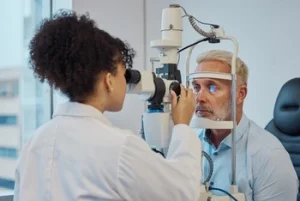 When insurance does not apply, choosing the right clinic becomes even more important. A preferred clinic should offer transparent pricing, clear communication, and thorough consultation.
Ask what is included in the surgery cost, whether follow-up visits are covered, and what support is available after treatment. Understanding inclusions helps avoid unexpected costs later.
A free assessment can be a helpful first step to determine suitability for laser eye surgery and receive personalised details about treatment and cost.
What to expect after laser eye surgery
Most patients recover quickly after laser eye surgery. Vision often improves rapidly, and many people notice clearer vision the following day.
Eye drops are usually prescribed to support healing and reduce dryness. Temporary symptoms such as glare or mild discomfort are common but typically improve with time.
Patients are usually advised to avoid contact lenses, swimming, and strenuous activity for a short period after surgery.
Is laser eye surgery worth the cost?
For many patients, laser eye surgery is a long-term investment in vision and quality of life. Reducing reliance on glasses and contact lenses can offer convenience, confidence, and freedom in daily life.
While private health insurance does not usually cover the cost, many patients feel the benefits outweigh the expense, especially when flexible payment options are available.
Taking the first step with confidence
 If you are considering laser eye surgery, the first step is to book a consultation. This allows you to confirm whether you are suitable for treatment, understand the procedure, and receive clear information about cost and payment options.
Understanding your insurance policy, knowing what is and is not covered, and asking the right questions will help you make an informed decision that supports your vision and life goals.
There is no need to keep asking yourself, “Is laser eye surgery covered by private health?” Book an appointment with Dr Edward Roufail on (03) 9071 0180 to discuss your suitability for laser eye surgery, understand your costs and coverage, and explore clear payment options tailored to your needs.
Note: Surgical or invasive procedures carry inherent risks. As part of our standard practice, we thoroughly discuss these risks during the consent process before any surgical procedure. Your understanding and comfort are our utmost priority.
References
Healthdirect Australia. (n.d.). Private health insurance. https://www.healthdirect.gov.au/private-health-insurance
American Academy of Ophthalmology. (n.d.). Laser eye surgery recovery. https://www.aao.org/eye-health/treatments/laser-surgery-recovery
Mayo Clinic. (n.d.). LASIK eye surgery. https://www.mayoclinic.org/tests-procedures/lasik-eye-surgery/about/pac-20384774

Are you considering laser eye surgery to achieve better vision and break free from the chains of glasses and contact Read more
