

Central serous retinopathy is a condition that can cause temporary changes in your vision.
Understanding what central serous means, why fluid can collect beneath the retina, and how it is assessed may help you feel more informed and supported.
Learning about risk factors, diagnostic tools, and available management options can help you know when to seek advice and what to expect moving forward.
Understanding Central Serous Retinopathy
 Central serous retinopathy is a condition that affects the central vision and may cause blurry or distorted sight in one eye. You may notice changes that appear suddenly or develop over time.
While many people experience improvement without intervention, it is still helpful to understand what is happening in your eye and what steps may support your visual health.
What Happens in Central Serous Retinopathy
Central serous retinopathy occurs when fluid leaks beneath the retina, particularly beneath the macula. The macula is responsible for sharp central vision, which you rely on for reading, driving, and recognising details.
When fluid builds up, the retinal layers may lift slightly, affecting how light is processed.
Why Fluid Builds Up
The exact reason for fluid accumulation is not fully understood. Blood vessels in the choroid may become more permeable, allowing fluid to collect under the retina.
While research is ongoing, factors like stress hormones and growth factors may play a role. Understanding these influences helps guide current thinking about management.
The Role of the Choroid
You may also hear this condition referred to as central serous chorioretinopathy. This term highlights the choroid, the layer of blood vessels beneath the retina. Changes in the choroid may contribute to fluid movement, although the exact cause is not always clear.
Researchers continue to investigate how growth factors, including vascular endothelial growth factor, may influence this process.
Common Risk Factors
There are several risk factors linked with central serous retinopathy. These may include stress, steroid use, and certain health conditions. Other risk factors may relate to lifestyle and hormonal changes.
Having a higher risk does not mean you will develop central serous retinopathy, but recognising potential influences can help you make informed choices.
Common Signs You May Notice
Not everyone experiences the same symptoms. You may see a dark spot in your central vision, or straight lines may appear bent or distorted. Some people describe reduced contrast or colours appearing slightly different.
If you notice these changes, seeking guidance may help you understand what is happening and what to expect next.
How Central Serous Retinopathy Is Diagnosed
An eye examination can assess your vision and retinal health. Your eye doctor may recommend imaging to understand the fluid under the retina better.
Diagnosis does not rely on a single test, and your eye care provider will decide which tools are appropriate for your situation.
Optical Coherence Tomography
Optical coherence tomography creates cross-sectional images of the retina. This non-invasive scan can show the presence and location of fluid leakage.
It also helps monitor central serous retinopathy over time, allowing changes to be tracked clearly and consistently.
Other Necessary Diagnostics
Your eye care provider may suggest additional diagnostic tests to gather more information about your retinal structure or blood vessels.
These assessments are selected based on your individual circumstances and aim to provide a clearer understanding of central serous retinopathy and its progression.
How Central Serous Retinopathy May Progress
Many people experience gradual improvement as the fluid resolves. In other cases, central serous retinopathy may persist.
Regular follow-up appointments allow changes to be assessed and support informed decision-making about next steps.
Management and Monitoring
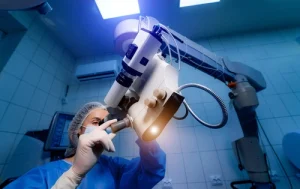 Observation may be recommended in early stages, especially when the central serous resolves on its own. During this time, you should reduce known triggers where possible.
In addition, reducing stress, discussing steroid use with your doctor, and maintaining general health may also play a role. While these steps cannot prevent central serous retinopathy, they may support your eye health over time.
Regular reviews help assess your vision and ensure that any changes are recognised promptly.
When to Seek Guidance
If you notice changes in your central vision, seeking professional advice can be reassuring.
Early assessment helps confirm what is happening and ensures that any progression is monitored. Even if symptoms appear mild, seeking care allows you to stay informed.
Frequently Asked Questions
How long does central serous retinopathy usually last?
Many cases improve over several months as the fluid resolves naturally. However, timelines vary from person to person, and regular check-ups help track progress.
Can central serous chorioretinopathy return?
Some people may experience more than one episode. Follow-up appointments help monitor your vision and identify any early recurring changes.
When is treatment considered?
Treatment such as photodynamic therapy, argon laser photocoagulation, or oral medications may be discussed if central serous retinopathy does not resolve or continues to affect vision.
Conclusion
Central serous retinopathy can be unsettling, especially when changes appear unexpectedly. Understanding how central serous develops and the role of imaging, monitoring, and available options can help you feel more informed.
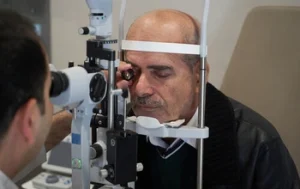 If you notice changes in your central vision or have concerns, seeking professional guidance allows you to explore your situation with clarity and support.
If you have noticed changes in your central vision or would like personalised guidance, you’re welcome to get in touch with our team. Booking an appointment can help you clarify your situation and understand the next steps that may be suitable for you.
Reach out to Dr Edward Roufail at (03) 9071 0180 to speak with our friendly team and arrange a time that works for you.
Note: Surgical or invasive procedures carry inherent risks. As part of our standard practice, we thoroughly discuss these risks during the consent process before any surgical procedure. Your understanding and comfort are our utmost priority.
References
Ebrahimiadib, N., Mirzaei, A., Esfandiarifard, S., Tuli, S., Najibzadeh, E., Fooladi, M. I., & Fadakar, K. (2023). Comparison of the Fluorescein Angiography-Guided and Indocyanine Green Angiography-Guided Photodynamic Therapy in the Treatment of Non-Resolving Central Serous Chorioretinopathy. Scientific Reports, 13(1), 1682. https://doi.org/10.1038/s41598-023-28890-9
Felton, A. (2024, August 23). What Is Central Serous Retinopathy? WebMD. Retrieved November 26, 2025, from https://www.webmd.com/eye-health/what-is-central-serous-retinopathy
Lipner, M. (2025, November 25). What causes fluid behind the retina? Verywell Health. Retrieved November 26, 2025, from https://www.verywellhealth.com/fluid-behind-the-retina-5210017

Maintaining optimal eye health is necessary for overall well-being. However, many people are unsure when to see an ophthalmologist and Read more

If you're tired of wearing glasses or contact lenses every day, it's natural to look into options for long-term vision Read more

If you're exploring ways to enhance your vision, whether due to cataracts or other vision concerns, you may have come Read more

Have you ever woken up and noticed blurry vision in one eye? Or perhaps your vision in one eye suddenly Read more