

Cataract surgery is a procedure performed to restore vision affected by a cloudy lens. One of the frequent questions during cataract surgery recovery time is: How long after cataract surgery can you bend over?
Understanding the appropriate timing for certain activities can help ensure a smooth recovery and support good vision outcomes.
Understanding Cataract Surgery
Cataract surgery involves removing the natural, hazy lens and replacing it with an intraocular lens. The procedure usually involves a small incision, allowing the eye to heal naturally without stitches in many instances.
While the surgery is straightforward, you may need to stay at the facility for several hours to complete all procedures.
What To Expect During Cataract Surgery Recovery Time
The first week after a cataract operation is a crucial stage in the recovery process. During this period, careful attention to your healing process can support a smooth recovery and better vision.
Key considerations include:
- Adjusting to the New Lens: Many patients experience blurred vision or occasional double vision as their eyes adapt to the new lens. This is a normal part of the recovery process and usually improves gradually.
- Using Eye Drops: Eye drops are prescribed to manage inflammation and lower the risk of infection. Following the recommended schedule is essential for a speedy recovery and helps maintain the health of the operated eye.
- Protecting the Eye During Sleep: Wearing an eye shield or protective shield while sleeping helps prevent accidental contact with the operated eye. This precaution safeguards the small incision and supports optimal healing.
- Protecting Against Bright Light: Wearing Sunglasses is recommended when outdoors to reduce discomfort from bright light. They also help the eye adjust to the intraocular lens and maintain comfort during the early recovery period.
By focusing on these key aspects, many patients can lay the foundation for a smooth healing process, gradually restoring clear vision and comfort in their normal activities.
Why Bending Over Matters
During the early stages of your recovery, certain movements can temporarily increase intraocular pressure, which may affect healing.
Paying careful attention to posture and activity levels can assist in lowering the risk of complications like sudden vision changes or vision loss.
Understanding the Risk
Avoid bending forward at the waist as it can place additional pressure on the operated eye, especially in the first week after surgery.
Even gentle strain or sudden movements may impact the small incision or the stability of the new lens.
When to Resume Bending
Many patients can begin gentle bending after approximately one week, provided there are no complications. It is generally recommended to bend at the knees rather than at the waist to minimise pressure on the eye.
Recommended Activities
During this early recovery period, focus on gentle tasks that do not increase eye pressure. Light housework, short walks, or other low-impact activities are usually considered okay.
Activities to Avoid
Avoid strenuous activities like heavy lifting, excessive coughing, or sudden strain until your cataract surgeon confirms that your eye is healing appropriately. Following these precautions helps ensure a smooth recovery and supports good vision outcomes.
Managing Post-Surgery Symptoms
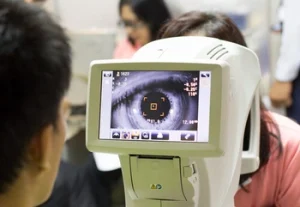 After cataract surgery, it is common to experience temporary blurred vision or mild discomfort as the eye adapts to the new lens. Understanding what to expect and how to respond may support a smooth recovery.
- Normal Symptoms: Many patients notice blurred vision, mild irritation, or sensitivity to bright light during the first week. These effects are usually temporary and gradually improve as the healing process progresses.
- Symptoms That Require Attention: While symptoms are mostly mild, there is a small risk of severe pain or sudden vision changes. If these occur, it is important to contact your eye surgeon immediately to ensure timely assessment and care.
Monitoring Vision Changes
After cataract surgery, vision can fluctuate as the eye adjusts to the new lens. Careful monitoring during the recovery period helps ensure any issues are addressed promptly.
Adjustments to Vision Correction
Once healing is complete, some patients may require new glasses or contact lenses to get optimal distance vision. Your eye surgeon can advise when it is appropriate to update prescriptions.
Warning Signs
While changes are typically mild, sudden vision changes or severe pain require immediate attention. Contact your eye surgeon promptly if you experience any of these symptoms to ensure adequate care.
Maintaining Regular Follow-Ups
Attending scheduled follow-up appointments allows your eye surgeon to track your recovery time and confirm that your operated eye is healing as expected. These checks contribute to a smooth recovery and help protect long-term vision health.
Frequently Asked Questions
Can I drive after cataract surgery?
Driving can typically resume once you have clear vision in the operated eye and have your cataract surgeon’s approval.
Can cataracts return after surgery?
After a natural lens is replaced with an intraocular lens (IOL) during cataract surgery, the cataract itself does not return.
Some patients, however, may develop a secondary cataract (posterior capsule opacification) weeks or months after surgery, which can cause blurred vision. This condition can typically be treated with a laser procedure performed by your eye surgeon.
When can I return to swimming or hot tubs?
Avoid swimming and hot tubs during the early recovery period after cataract surgery. Your eye surgeon will advise when it is okay to resume these activities, usually several weeks after surgery, once the incision has fully healed.
What is the difference between refractive lens exchange and cataract surgery?
Both refractive lens exchange (RLE) and cataract surgery involve replacing the eye’s natural lens with an intraocular lens (IOL).
The key difference lies in the reason for the procedure:
- Cataract surgery is performed to remove a cloudy lens that is affecting vision.
- Refractive lens exchange is typically performed to correct vision problems such as presbyopia or severe refractive errors before a cataract develops.
In both cases, the surgical technique is similar, and the recovery period involves careful eye drop use, protection with an eye shield, and gradually resuming normal activities under the guidance of your eye surgeon.
Conclusion
 Knowing how long after cataract surgery you can bend over is an important part of planning your cataract surgery recovery. By following professional advice, using eye drops, wearing a protective shield or an eye patch, and gradually resuming normal activities, you can support a smooth recovery and achieve good distance vision.
Every patient’s recovery period varies, so maintaining communication with your eye surgeon ensures an effective outcome.
Taking careful attention to your healing process allows you to enjoy the benefits of successful surgeries with clarity.
If you’re curious about your cataract surgery recovery or want personalised advice on how long after cataract surgery you can bend over, our experienced cataract surgeons are here to help.
Book a consultation with Dr Edward Roufail at (03) 9071 0180 to discuss your healing process, review your eye drops and protective shield routine, and receive guidance on resuming normal activities. Taking the first step ensures a smooth recovery period and supports good vision outcomes.
Note: Surgical or invasive procedures carry inherent risks. As part of our standard practice, we thoroughly discuss these risks during the consent process before any surgical procedure. Your understanding and comfort are our utmost priority.
References
Clista, B. (2025, September 22). Cataract Surgery Recovery: 8 Restrictions and What to Do Instead. GoodRx. Retrieved November 26, 2025, from https://www.goodrx.com/health-topic/eye/what-activities-should-be-avoided-after-cataract-surgery
Frysh, P. (2025, June 19). What to Expect With Cataract Surgery. WebMD. Retrieved November 26, 2025, from https://www.webmd.com/eye-health/cataracts/ss/cm/slideshow-cataract-surgery-expect
Herndon, J. (2021, July 27). What to Expect During Cataract Surgery Recovery. Healthline. Retrieved November 26, 2025, from https://www.healthline.com/health/eye-health/cataract-surgery-recovery

Maintaining a good quality of vision is crucial for a high quality of life at any age. However, as adults Read more

Cataracts are a common eye condition, especially as we age, but they can affect people of all ages and walks Read more

Cataracts are a common eye condition that gradually affects your ability to see clearly. While they are a natural part Read more

Cataract surgery is one of the most well-known surgical procedures in Australia, and it can significantly improve your distance vision Read more