

Hearing that you have mild cataracts can feel unsettling. You may not even notice major changes yet, but your eye doctor has mentioned an early cataract during a routine eye exam. So what does this actually mean?
Cataracts are a common condition and one of the leading causes of vision impairment worldwide. In simple terms, they occur when the natural lens inside the eye becomes cloudy. When that clear structure turns into a clouded lens, it can interfere with how light passes through the eye, gradually affecting your vision.
Let us take a closer look at how cataracts develop, what mild cataracts feel like, and when treatment becomes necessary.
What Are Mild Cataracts?
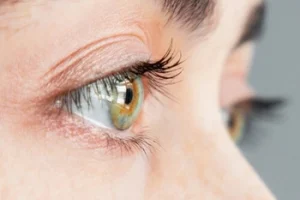 The lens of your eye sits behind the coloured part of your eye and focuses light onto the retina. In a healthy eye, the lens is clear. When cataract formation begins, the lens slowly loses its clarity.
Mild cataracts refer to the early stage of this process. At this point, the clouding is minimal. Many people with an early cataract still function well and may not realise that cataracts develop gradually over time.
Most cataracts are age-related. However, cataracts happen for many reasons, including eye injuries, medical conditions, and even genetic factors. Some babies are born with congenital cataracts, which affect vision from infancy.
How Cataracts Develop Over Time
Cataracts develop gradually, often so slowly that you may not notice the early changes straight away. Over time, the clear natural lens inside the eye begins to lose its transparency, leading to a clouded lens that affects how light passes through. Understanding this steady progression can help you recognise early warning signs and seek the right care before vision impairment becomes more significant.
The Slow Shift from Clear to Clouded
Cataracts form when proteins in the lens clump together. This disrupts light transmission and causes blurry vision. At first, changes in your vision may be subtle.
You might notice that you need brighter light for reading. Colours may seem dull. Night driving may feel more difficult. Over time, these small changes can progress to more noticeable vision loss.
Who Is at Risk?
While most cataracts occur in older adults, younger people can also develop cataracts, particularly after trauma or due to underlying health problems.
Common risk factors include:
- Ageing
- Family history of cataracts
- Too much alcohol
- Smoking
- Diabetes and other medical problems
- Long-term exposure to ultraviolet light
- Previous eye operations
- Certain medications
If you have close family members with cataracts, your risk of cataracts may be higher. That does not mean you will definitely develop them, but it is worth monitoring your eye health closely.
Symptoms of Cataracts in the Mild Stage
The symptoms of cataracts vary depending on the extent of lens involvement. In the mild stage, you may experience:
- Blurry vision or slightly blurred vision
- Sensitivity to glare
- Seeing halos around lights
- Double vision in one eye
- Needing more light to read
- Subtle changes in your vision
It is important to note that mild cataracts may affect one or both eyes. Some people notice changes in one eye first, while the other eye remains clear for some time.
Because the progression is gradual, many people adjust without realising how much their vision has changed.
How Cataracts Are Diagnosed
Cataracts diagnosed in the mild stage are often picked up during a routine dilated eye exam. During this exam, your eye doctor places drops in your eyes to widen the pupils, allowing a detailed view of the lens of your eye and the retina.
A comprehensive eye exam may include:
- Visual acuity testing
- Slit lamp examination
- Retinal assessment
- Evaluation of other eye problems
These assessments help determine whether your symptoms are due to cataracts or other causes of blurred vision.
Can Mild Cataracts Be Treated Without Surgery?
If you have been told you have mild cataracts, your first question is often whether surgery is necessary straight away. The reassuring news is that in many cases, early or mild cataracts can be managed with simple, non-surgical strategies while your vision is monitored over time.
Early Management Strategies
In the early stage, cataract surgery is not always necessary. Many people manage well with simple adjustments.
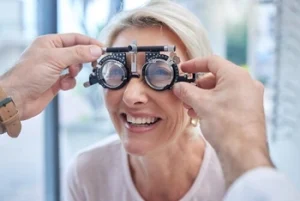 These may include:
- Updating your prescription glasses
- Using magnifying lenses for reading
- Increasing the use of brighter light at home
- Reducing night driving if glare is troublesome
These small changes can help improve day-to-day comfort.
Do Eye Drops Cure Cataracts?
At present, eye drops cannot reverse cataract formation. Although research continues, there is no proven medication that can dissolve a clouded lens. Cataracts treated effectively still require a surgical approach once vision becomes significantly affected.
When Is Cataract Surgery Recommended?
Cataract surgery becomes an option when vision impairment begins to interfere with daily activities such as driving, reading, or recognising faces.
It is a well-established procedure and is one of the most common eye operations performed worldwide.
What Happens During Cataract Surgery?
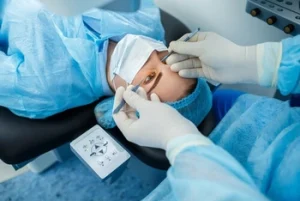
During cataract surgery, the cloudy lens is removed and replaced with an artificial lens known as an intraocular lens. This artificial lens is designed to help improve clarity by allowing light to focus properly again.
The procedure is usually performed under local anaesthetic and takes less than an hour in most cases. Some people may notice changes in vision within days.
If cataracts affect one or both eyes, surgery may be performed separately on each eye.
Can You Prevent Cataracts?
You cannot always prevent cataracts, especially when ageing is involved. However, there are ways to reduce the risk of cataracts and support overall eye health.
Simple Steps to Protect Your Eyes
- Wear sunglasses that protect your eyes from the sun
- Maintain a healthy diet rich in foods such as leafy greens and colourful vegetables
- Manage medical conditions like diabetes
- Avoid too much alcohol
- Quit smoking
- Attend regular eye exams
When you wear sunglasses, you reduce ultraviolet exposure to the lens, which may slow cataract formation. Protecting your eyes from the sun is one of the simplest preventive steps you can take.
Mild Cataracts in Younger People
Although cataracts are commonly associated with ageing, they can also appear in younger people. Causes may include:
- Eye injuries
- Long-term steroid use
- Congenital cataracts
- Certain medical conditions
When congenital cataracts are present, early treatment is important in reducing the risk of long-term vision loss. In adults, trauma-related cataracts may progress more quickly than age-related ones.
Living with Mild Cataracts
Receiving a diagnosis of mild cataracts does not mean immediate surgery. Many people live comfortably for years with minimal symptoms.
The key is monitoring. Regular visits to your eye doctor ensure that any changes in your vision are tracked carefully. If developing cataracts begin causing blurred vision that affects work, hobbies, or independence, timely treatment may help improve visual clarity.
It is also important to distinguish cataracts from other eye problems. Conditions such as macular degeneration, glaucoma, and other causes of low vision can coexist. A thorough eye exam helps rule out additional issues.
What Happens If Cataracts Are Left Untreated?
Mild cataracts may remain stable for some time. However, cataracts develop progressively in most cases. As the lens becomes more opaque, vision loss may worsen.
Advanced cataracts can lead to significant vision impairment and, in rare cases, complications such as increased eye pressure.
Early monitoring ensures that cataracts are treated at the right time, supporting improved visual function.
A Balanced Perspective on Mild Cataracts
 Mild cataracts are common, especially as we age. They do not always require immediate intervention. In many cases, small adjustments such as brighter light, updated glasses, or magnifying lenses are enough to maintain comfort.
When cataract surgery becomes necessary, it is a well-established procedure. Replacing the clouded natural lens with an artificial lens may help improve visual clarity and assist in reducing symptoms such as double vision or glare.
The most important step is staying proactive. Regular eye exams, healthy lifestyle choices, and protecting your eyes from the sun all play a role in supporting long-term vision.
If you have started noticing subtle changes in your vision, greater sensitivity to light, or difficulty driving at night, it may be helpful to arrange an eye examination. Please contact us on (03) 9071 0180 to book a comprehensive assessment and have your eyes reviewed.
Note: Any surgical or invasive procedure carries risks. Before proceeding, you should seek a second opinion from an appropriately qualified health practitioner.
References
https://www.healthdirect.gov.au/cataracts
https://www.ncbi.nlm.nih.gov/books/NBK539699/

Maintaining a good quality of vision is crucial for a high quality of life at any age. However, as adults Read more

If you're thinking about improving your vision, you may have heard about two common treatments: cataract surgery vs laser eye Read more

Cataracts are a common eye condition, especially as we age, but they can affect people of all ages and walks Read more

Cataracts are a common eye condition that gradually affects your ability to see clearly. While they are a natural part Read more